We sat down with Paul and Antonio, who both sell ScorePlay across EMEA, to hear what they love about the job and what they'd tell you to think twice about.
What it's like to sell at ScorePlay
What does a normal month actually look like?
Paul: In a given month I'm usually juggling around ten deals at once. A lot of my time goes into travel and meeting stakeholders across an organization, building relationships and working out how we actually solve their problem. My time is split between a lot of different tasks. I might have three or four client calls on a normal day. The rest is the work around the deal: follow-ups, documents, writing up what came out of an on-site visit, answering an RFP, discussing technical options with the Tech team, and so on.
Antonio: We work long sales cycles, six months on average, so we're always playing the long game. Each month we decide who we're going after, who we want to meet, and which events we'll attend. One week rarely looks like the next. Sometimes we're meeting prospects at their HQ, sometimes we're at a conference, sometimes we’re going to a game with a client, and sometimes we're home working on an RFP or building the next pitch deck.
What feels different about selling here compared to other places?
Antonio: I came from companies where I was mostly selling solutions to small and medium businesses. There you close multiple deals a month, which is good for morale but less meaningful than landing one big deal every couple of months. Here at ScorePlay you work on a deal for six months, and when it finally comes in, it means something. The motion is different too. We meet a lot of stakeholders across a lot of meetings, some very technical, some more about business outcomes. We don't just demo and disappear, we go in, understand each team's problem, and build the case with them.
Paul: The cool thing is that we're actually talking directly with the organizations that we’ve followed since we were kids. I'm 27, and I've dealt directly with executives from major European football leagues. Beyond the industry, ScorePlay is a place where if you show you're committed, you get real responsibility fast. I don't think I'd have had that in many other places. And even though we sell B2B, the content we capture and distribute ends up in front of millions of people, on every TV and laptop showing live sport. That still feels pretty cool.
Where do your best deals actually come from?
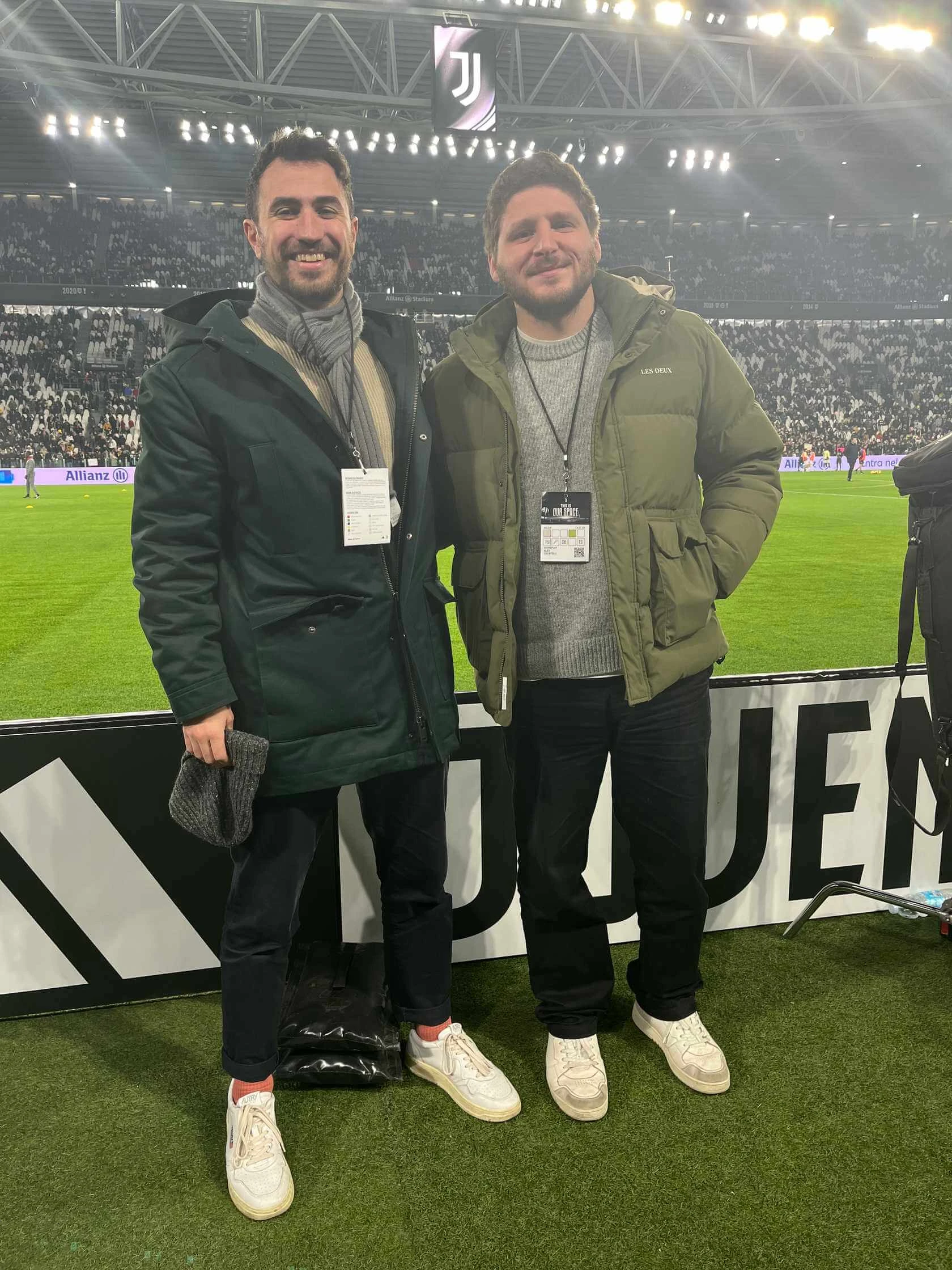
Antonio: The best pipeline comes from events and investor introductions, not cold outreach. When we want to create opportunities, we'll often build something around it: a workshop that brings a group of clubs together, a dinner at an industry event, or simply being in the stadium on a big match day. And when one of our investors makes an intro, the first conversation is a lot warmer. We still do cold emailing, and it works, but it's not where the biggest deals begin.
Paul: The other big source is RFPs. The largest organizations have to run tenders, so the goal is to be known and credible beforehand, and to make sure they've already seen what our solution can do before the process even starts.
How hard is the product to actually sell?
Antonio: The conversation is easy to start. Every rights-holder is asking the same thing right now: how do I manage all my content and get it to fans at scale? Nobody needs to be convinced that the problem is real. The hard part comes after. Replacing an old media system is heavy, expensive work that people only want to do once a decade, so even when they know they need it, moving them takes time and patience.
Paul: Easy to get people excited, harder to get them to act. It's a considered purchase with a lot of stakeholders, so you're rarely arguing that the problem matters. Most of the job is answering "why now" and "why us," then holding everything together while the client gets aligned internally.

Any “best moment”?
Antonio: I used to sell ERPs. Now I get to run deals with sports organizations, including one of the most iconic clubs in the world of football, which happens to be the team I grew up supporting.
Paul: Watching the team I've supported since I was a kid play, from the side of the pitch, next to the people who run the club. Hard to beat that!
What's the team like, and how do you support each other?
Antonio: It's a close, low-ego group. We keep a few rituals that actually help, a weekly sync where everyone shares what worked and what didn't the week before, and deal reviews where the Head of Sales, the rest of the team, and occasionally our CEO join to discuss how a deal is progressing, and they help you walk out with clear next steps. It sounds formal, but having other brains on a deal you've been staring at for months is worth a lot.
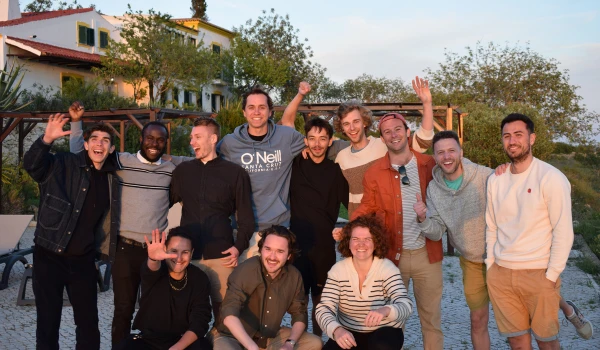
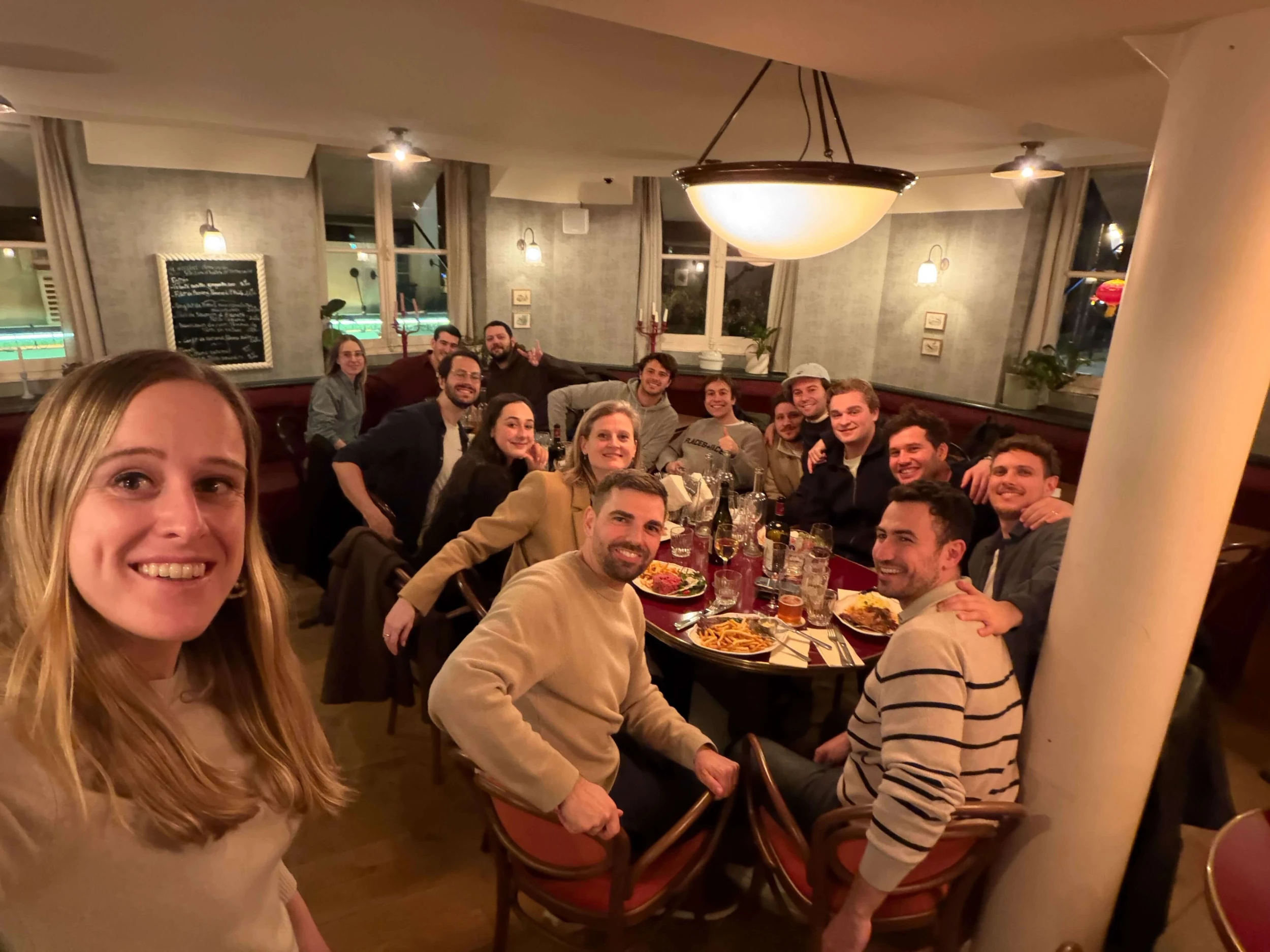
Paul: What really bonds us is the road. We're all traveling so much that we keep ending up in the same cities, the same events, sometimes the same Airbnb, so even when it's work, real friendships come out of it. Then there are the quarterly offsites, a few days where the whole team meets up somewhere nice. When you're remote the rest of the year, that time together does a lot.
What's the hardest part, honestly?
Paul: Like most ambitious scale-ups, the targets are high and the pressure is constant. I also travel a lot across Europe, and even though I love it, it gets tiring. We're remote-first, and I value the flexibility and the trust that comes with it, but some weeks I'd like a bit more routine and more time with the rest of the team.
Antonio: Traveling and meeting clients on their turf is great fun, but also tiring. And with long sales cycles, the payoff is exhilarating when it lands, but a lot harder to take in when it doesn't.
Who should not take this job?
Paul: If you want leads handed to you and a quiet desk, don't apply. But if you love to travel, you enjoy meeting people at events, and a repeatable routine isn't a must-have for you, you might love it.
Antonio: If you want a clean nine-to-five where you clock off early, be honest with yourself, this isn't it. The commitment is high. But if you're genuinely into sport, I don't think there's a better place to be right now.
If you read all this and you're still curious, you probably already know where to find us!